


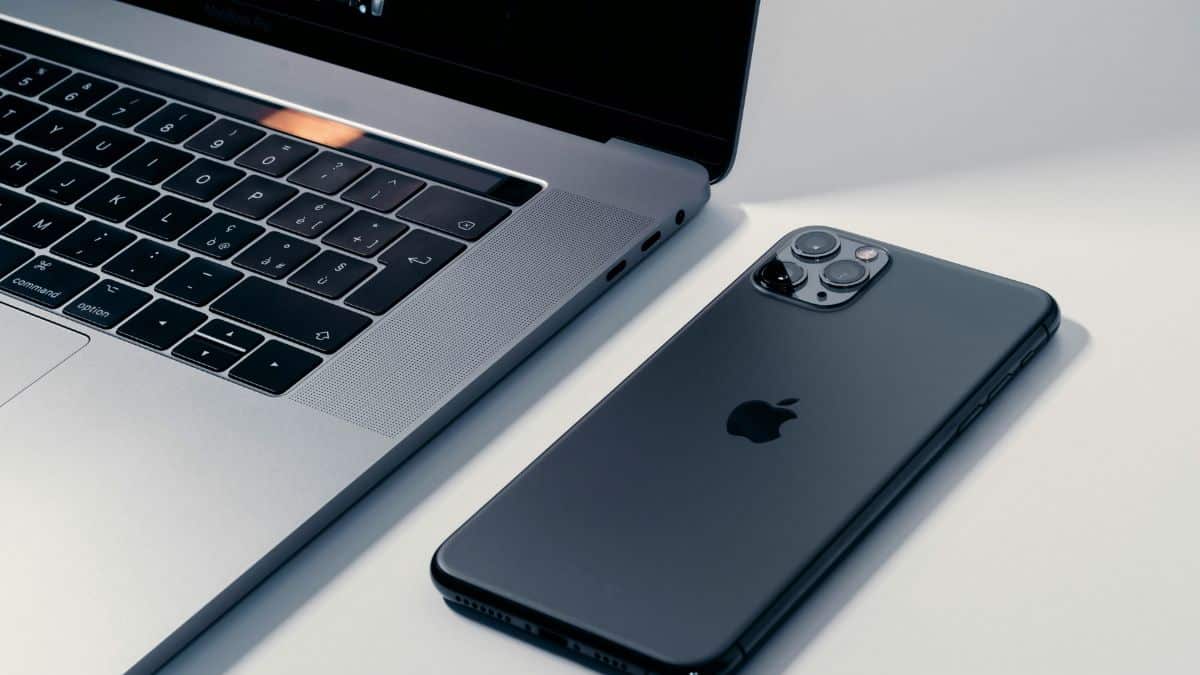
Ever visit a website on your phone and everything’s just … squished? Buttons are too tiny. Text is floating weirdly. Stuff half off the screen. That’s not just annoying, it is horrific for consumer conversion. This is why mobile-first design matters, especially since nearly everyone uses smartphones. In fact, some reports say that the average global mobile traffic percentage has reached over 64%! To make sure your business adapts, your website should work well on phones before anything else.
Not sure how to make your site a mobile-first design? We’re here to help. We will explain what mobile-first design means in real-world applications (not just textbook concepts). Just straight talk about why websites need to work better for phone users, how it helps people stick around longer, and what steps make that happen.
Before we continue, quick heads-up: We’re The Illunis Co., a digital marketing team that lives and breathes design, strategy, and all things web. We help businesses grow through real, tailored marketing that works. If you need help making your site mobile-friendly (or just friendlier in general), we’ve got you.
Mobile-First Design Explained
What is Mobile-first design? Mobile-first design means designing your website layout for the purpose of benefiting smartphones and smaller mobile devices then adding more enhanced features as the screen gets bigger. In short, smaller screens first. Not desktops. Not tablets. It isn’t just a quick trend, it is how most people are using the internet now. Studies are even showing that by the 2030’s, we will be above 80% mobile usage!
With mobile-first design, you’re focusing on building for the majority population who use phones more than computers, and later, you enhance it for wider screens. Clean and simple. Everything loads faster. Content stays readable. Buttons don’t turn into tiny mystery dots.
Now, don’t confuse this with responsive web design. That one reshapes a desktop layout for smaller devices. Most website builders (Showit, Elementor, Squarespace, etc) are already set to responsive design in some ways. However, designing mobile-first skips the additional hours (and headaches) when having to restructure crucial elements of your homepage. Instead, you get a better website structure from the very beginning!
Why does it matter? Because most users scroll from their phones. If your site doesn’t work well on mobile, you’ll likely drive your consumers away and may not come back.
Why You Should Design For Mobile First
Yes, we all know that designing the best website with all the bells and whistles can be thrilling. But if you are only designing your website with desktop screens in mind, that’s a bit 2010. People are always on their phone. Scrolling, shopping, on their various apps. Providing a poor mobile-user experience can skyrocket your bounce rate, and may even start affecting your SEO scores if someone was looking for a specific detail and couldn’t find it (if the mobile design is not functional).
Phones Rule the Global Internet Traffic
The mobile takeover is real. Over half of the global web traffic attributed to mobile devices (while desktop sits around 35%). If your website isn’t optimized for mobile, you are losing out on potential visitors and worse, your SEO scores could be majorly impacted.
Your SEO Could Tank With a Bad Mobile Site
Google checks your mobile-friendly websites first when ranking pages. That’s called mobile-first indexing. If your mobile version appears rough or loads slowly, don’t expect good search results for your website. So, if all of Google’s services are prioritizing mobile use, it’s safe to say that as a business owner you should also be focusing on mobile (and your SEO rankings could depend on it).
Shoppers on Phones Are Not Patient (…at All)
Doom-scrolling in bed at 10pm? So is the rest of the world. Peak ecommerce traffic windows are between 8-11pm (followed by the lunch hour for highest traffic windows). When a consumer is on your website, they want a seamless user experience. If your product pages take forever to load, the buttons don’t work or overlap, you can almost guarantee that the user is leaving your site. Mobile-first design helps keep the main users in mind, focusing on speed and capturing that sale, while also providing a painless checkout experience.
First Impressions Matter, Bad Mobile Design Is a Deal-Breaker
Let’s be real. If your site doesn’t feel smooth, people will not trust your business. You can lose them in seconds. Mobile-friendly websites make users stay longer and feel more confident.
Tech is Always Changing
Phones aren’t even just phones anymore. Foldables. Smartwatches. So many different versions of “mobile tech”. To avoid major headaches, staying up to date on how your website runs on mobile devices is essential. As we evolve, and begin to expect more from our various devices, it is safe to assume that we should also expect more from our website platforms as well. That is why responsive design is less important than mobile-first design currently.
Here’s a hint for all the business owners out there… If someone says that they can train ChatGPT or Claude to build your website for you, or list “responsive design” in their proposal… RUN. We recently spoke with a business owner who hired a marketing “agency” because they promised the business owner a fast, performance driven responsive website built from ChatGPT. Spoilers… the site was NOT mobile-friendly, it was NOT performance-driven and it definitely was NOT built for SEO basics. Yikes.
Why Mobile-First Design Makes Your Site Way Less Annoying
When you focus on the mobile-first design of your site, you think about the BASICS that every person viewing your site will need to know. What your business provides, how you can help them, what your services/products cost. Short and sweet. Mobile-first design simplifies your site, instead of providing a slow, painful and frustrating user experience.
If you design your version of a desktop masterpiece only to realise that the mobile site looks like a poorly executed game of Tetris, you aren’t the only one frustrated by your site. Having to hit a menu button several times to view more pages? Who has time for that? Zooming in on text because it is set to 11px because it was cute? We aren’t excited about that and will ghost your site faster than swiping left on a guy whose first photo is holding a fish.
Less is More (When There is Less Screen)
People on phones want fast answers. With limited space, only the most useful items appear first. This will greatly help your target consumers find what they need without effort. Clean layout. Clear buttons. Less confusion. Better user experience design starts with less noise.
Menus That Don’t Need a Tutorial
Good mobile navigation is focusing on the important details first. You don’t need 10 clicks, cycling through 4 different sub menus. You need quick and efficient. If you are an ecommerce site, “shop [product name]” is more efficient than a Shop sub menu that leads to all of your categories and all of your products (even the ones that don’t drum up interest). Dropdowns, icons, and calls to action feel natural. Things sit where people expect them.
Speed Is Not a Bonus…It’s Required
Slow load times chase people away. Fast mobile sites keep people engaged for longer. The less time your site takes, the more they explore. Faster also means smoother transitions and fewer awkward taps.
Everything Stays in Place, No Weird Layout Jumps
Ever clicked something, and the whole screen jumps? That’s not an enjoyable experience. With strong user experience design, spacing and layout stay stable. Pages scroll without glitching. That’s how people keep browsing without rage-quitting.
How Not To Annoy Mobile Users: Real Tips That Actually Work
Do you want your website to perform better on mobile devices? Of course you do. No one likes a clunky layout or buttons that need surgeon-level precision. A smooth mobile experience doesn’t just happen. You must have a plan for it to work. Here are some tips to help you create a mobile-first website design.
Start Small…Like Really Small
Designing for phone screens first allows you to focus on what matters most within your website. However, just because you are designing for a smaller screen, doesn’t mean that you need to shrink everything down too. Keep all headings between 38-50px and paragraph text between 15-17px. Keeping your website copy readable is important for user experience (and as an added bonus, it is one of the many requirements of ADA Compliance). Same thing with buttons—they should be obvious and easily clickable.
Add Fancy Stuff After, Not Before
Once the mobile layout feels right, then upgrade it for tablets and desktops. That way, nothing breaks when the screen gets bigger. It stays clean.
Focus on Fast Loading Speeds
Use smaller images. Cut the extra scripts. Clean up the mess behind the scenes. Better mobile site performance means people stick around longer.
Don’t Make People Zoom To Click Stuff
Make sure buttons are spaced out. Easy to tap. No weird overlapping or accidental double-taps. That’s how people navigate through pages more efficiently.
Test on Phones Like a Real Person Would
Real testing means real phones, not just a resized browser window on your laptop. Test across different brands and screen sizes before anything goes live, and again after every major update. Your users aren’t going to file a bug report when something breaks. They’re just going to leave.
Doing regular maintenance like mobile usability testing allows for a better user experience. Doing this before your updates launch means less surprises, less broken pages and (mostly) no frustrated users.
Website Still Desktop-First? Let’s Help You Change That
Making your site work great on phones takes more than shrinking stuff. Real mobile-first design needs smart planning, thorough testing, and effective teamwork. Doing it all by yourself can be very difficult, or even impossible.
That’s where we come in. At The Illunis Co., we transform messy, slow websites into sleek, mobile-friendly machines. Every website our team handles is personalized to businesses’ needs and wants, no cookie cutters here. Whether you need branding, SEO, design, or ads, we’ve got the right team for it.
We’ve worked with startups, coaches, e-commerce brands, and national corporations. We design, write, plan, test, and fix — all under one roof. Our crew stays in the loop with you, answers fast, and delivers what we promised.
Do you need a mobile-friendly upgrade or a full website refresh? Call us. We would love to help you make your site better for real users on real phones.
